I went to a pumpkin patch today with my two kids, and grandma came along too. It's an amazing place called Salisbury Farm just 15 minutes away from my house in R.I. When we got home, my wife told me the husband of someone she works with had just grown the biggest pumpkin in the world. Not in some faraway agricultural kingdom. Right here in Rhode Island, where I live and where Strategy Kiln is based.
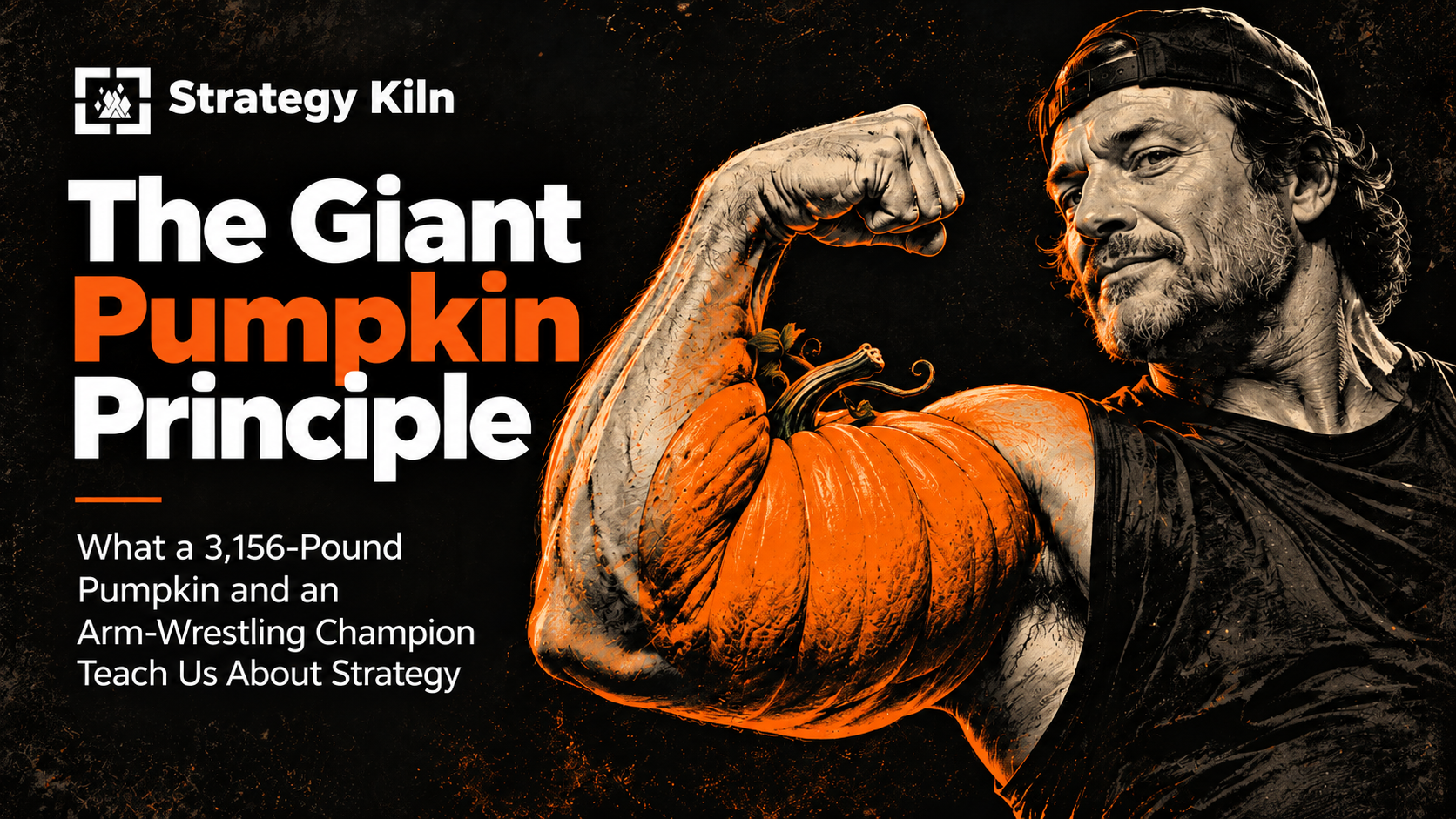
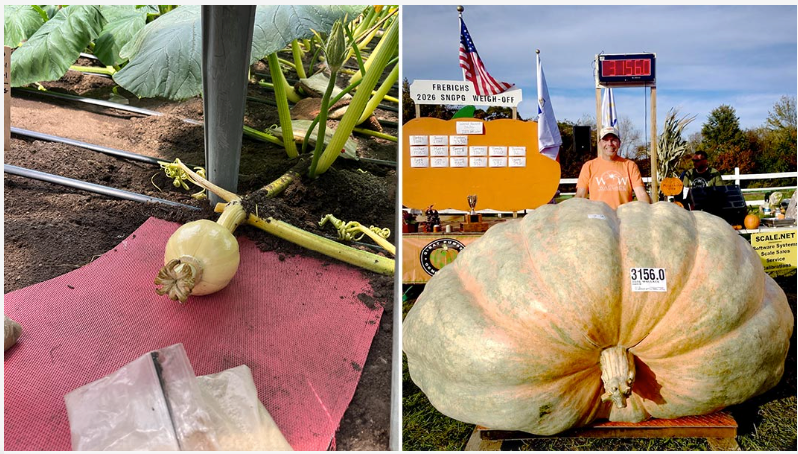
I looked it up. Ron Wallace of Greene grew a 3,156-pound pumpkin, officially recognized by Guinness World Records. The first ever to cross 3,000 pounds. It’s also his third world record. I had questions. Mainly: what on earth are you feeding this thing? But my mind took an even stranger turn. I thought of Sylvester Stallone.
How Over the Top sent me down a rabbit hole
Early in COVID, back in 2020, I was on a video call with my wife's sister and brother-in-law. Somewhere between normal conversation and lockdown delirium, her brother-in-law and I discovered a shared love for Over the Top, the 1987 Sylvester Stallone movie about an arm-wrestling truck driver. Arm wrestling was more popular back then (at least I think it was) and the movie had everything a seven year old me could ask for. Stallone turns his baseball cap backward before his matches like a badass. He throws bad dudes through glass doors. He beats the sweatiest person that ever lived, Bull Harley, in the ultimate underdog match to win the arm wrestling championship and get his son back.
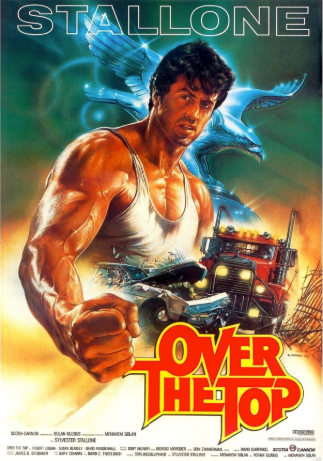
For my sports interests, I mostly follow basketball and tennis. But professional arm wrestling? Not exactly on my radar.
Shortly after that COVID call with my brother in law about Over the Top, YouTube started filling my feed with arm wrestling videos. Was my phone listening? Did I watch a few movie clips afterward? I don’t know. Either way, the algorithm had apparently identified an underserved audience for arm-wrestling content. Me.
That’s how I found Devon Larratt, the Canadian champion who can make a tiny adjustment in hand position sound like a chess grandmaster explaining an endgame. He’s fascinating. What stayed with me, though, wasn’t a match. It was his pumpkin.
The pumpkin training idea
Larratt calls it “pumpkin training.” After leaving the military, he described an extreme stretch when he poured his training into right-hand arm wrestling, dropping other activities, including cardio. In a 2026 conversation with Joe Rogan, he talked about returning to right-hand-only training. Not exactly what you’d see on a well-rounded fitness brochure.
Here’s the thinking: if you want to grow an absolutely enormous pumpkin, you don’t let the vine support a dozen perfectly respectable pumpkins. Competitive growers remove competing flowers and fruit so the plant’s resources go toward one. The ambition isn’t a lovely assortment of pumpkins. It’s creating one massive monster of a pumpkin.
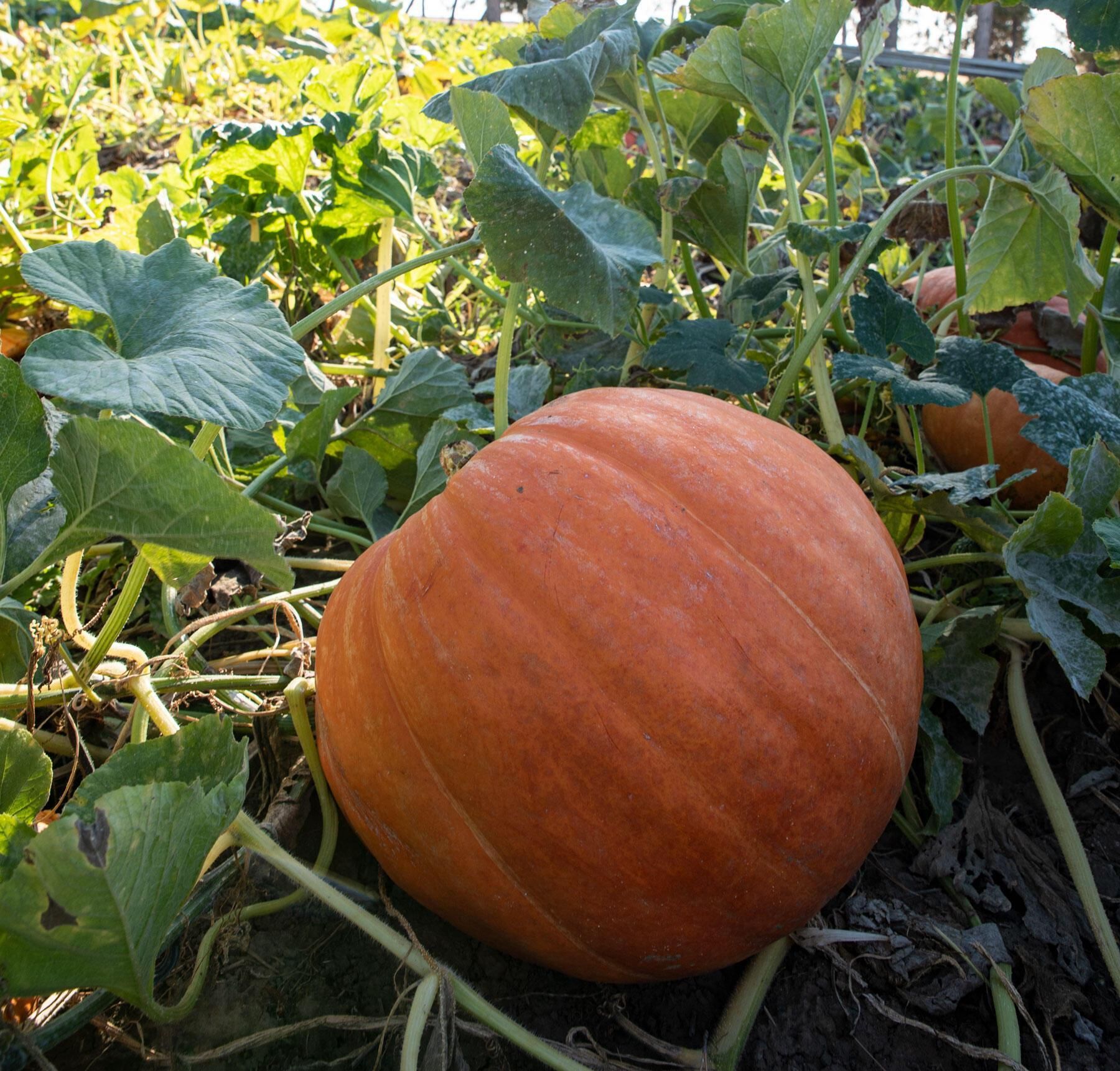
A lot of people hear that and think, “Okay, so this is about focus.” Sure. But that’s only half the story. The interesting part isn’t what you feed. It’s what you’re willing to stop feeding.
So what does focus actually mean in business?
I studied philosophy before getting my MBA in marketing, and this kind of connection is exactly what I love about strategy. Underneath the business language is a deceptively simple philosophical idea: to choose one thing is to give up something else. In business, those choices have real consequences for where you put your money, people, time, and attention.
In business, “focus” is one of those words we all love because it sounds virtuous and costs nothing to say. Every team has priorities. Then the priorities have subpriorities. Then a competitor launches something, a customer requests a new feature, and somebody spots a hot new marketing channel. Pretty soon you’re growing 14 pumpkins and wondering why none weighs 3,000 pounds.
Michael Porter made this point decades ago: strategy is as much about choosing what not to do as deciding what to do. That’s a much more demanding idea than “work harder” or “be productive.” Productivity asks, “How can we do more?” Strategy asks, “Of all the things we could do, which are worth doing, and which good ideas are we actually prepared to walk away from?”
Think of a B2B company trying to reach every buyer in every industry on every channel. It can generate an impressive amount of activity. That doesn’t mean it has a strategy. Maybe its real advantage lies in solving one expensive problem for one customer segment better than anyone else. If that’s the chosen pumpkin, the other opportunities don’t become stupid. They become trade-offs.
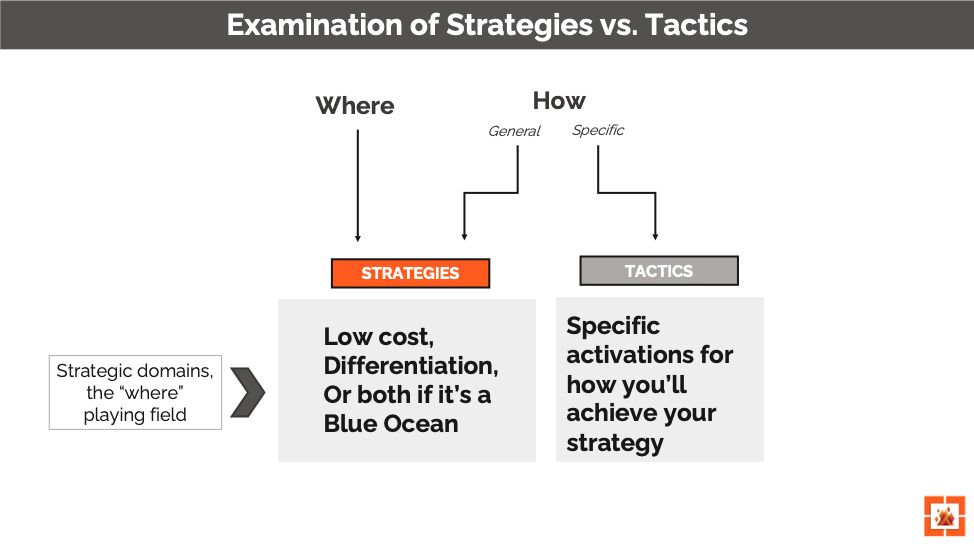
This is why I like distinguishing goals, objectives, strategies, and tactics. “Grow revenue” isn’t a strategy. Neither is “launch a LinkedIn campaign.” One is a destination; the other is a move. Strategy is the uncomfortable choice about where we can win, how we’ll do it, and what we’ll decline along the way.
The part of the pumpkin story I like most
Here’s where the metaphor gets better. Ron Wallace didn’t grow his record-breaker just by neglecting the rest of his garden. He spent years experimenting, used a greenhouse for the first time this season, and credited other growers for generously sharing what they’d learned. A single giant pumpkin required a lot of coordinated work.
That’s the part we miss when we reduce strategy to “do one thing.” Good strategy doesn’t mean having one task, one tactic, or one person. It means choosing a direction and getting the many things that matter to reinforce one another. And yes, it's about FOCUSING RESOURCES. It's also about obsession and pushing the envelope to win. The whole vine works for the pumpkin.
And perhaps that’s why I love strategy. I studied it in textbooks, sure, but some of the best ways to understand it turn up outside business entirely. A goofy Stallone conversation in the first weeks of COVID. A niche sport YouTube wouldn’t stop showing me. A giant pumpkin grown in my own state. Suddenly the idea isn’t a sentence on a slide. You can see it.
So, with Halloween around the corner, here’s the question I’d ask any leadership team: What’s the pumpkin you’re trying to grow? And which perfectly good pumpkins are you finally willing not to?
P.S. In a completely separate pumpkin contest in California this month, another winner was named Rocky. After Stallone.